

Are there any problems associated with long - term storage of Aluminum Grain Refiner Sticks?
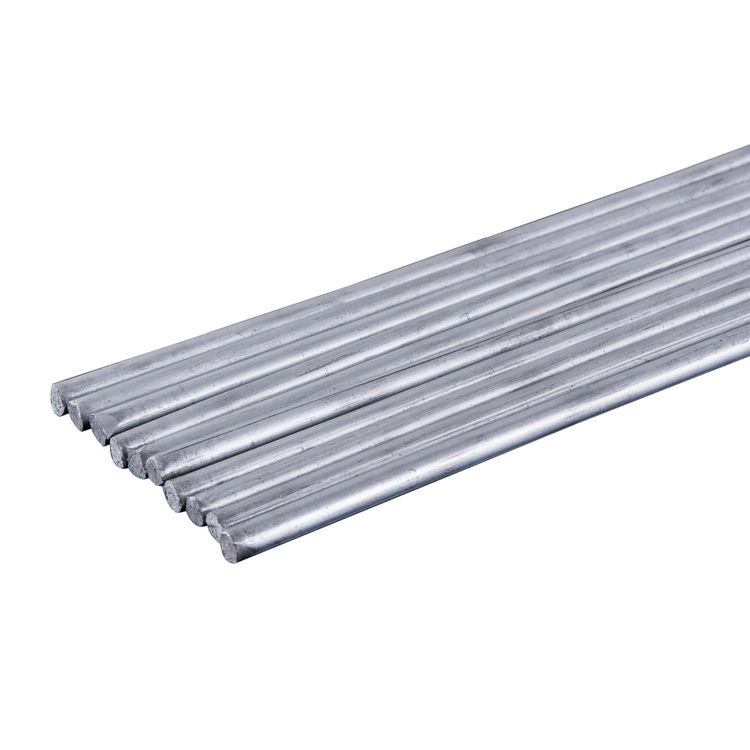
As a supplier of Aluminum Grain Refiner Sticks, I've encountered numerous inquiries from customers regarding the long - term storage of these essential products. Aluminum Grain Refiner Sticks play a crucial role in the aluminum manufacturing process, refining the grain structure and enhancing the mechanical properties of aluminum alloys. However, improper long - term storage can lead to several issues that may affect their performance and usability.
1. Oxidation and Corrosion
One of the most significant problems associated with long - term storage of Aluminum Grain Refiner Sticks is oxidation and corrosion. These sticks typically contain elements such as titanium, boron, and other alloying agents, which are prone to oxidation when exposed to air and moisture. Over time, the surface of the sticks may develop a layer of oxide, which can impede their effectiveness in refining the aluminum grain structure.
Oxidation can also lead to corrosion, especially in environments with high humidity or the presence of corrosive substances. Corrosion not only affects the surface quality of the sticks but can also penetrate deeper into the material, altering its chemical composition and reducing its overall performance. For instance, if the titanium content in the stick is corroded, it may not be able to effectively nucleate the aluminum grains during the refining process, resulting in poor grain refinement and reduced mechanical properties of the final aluminum product.
To mitigate oxidation and corrosion, it is essential to store Aluminum Grain Refiner Sticks in a dry and controlled environment. This can be achieved by using sealed containers or storage facilities with low humidity levels. Additionally, protective coatings or packaging materials can be used to prevent direct contact between the sticks and the surrounding air and moisture.
2. Contamination
Another potential problem during long - term storage is contamination. Aluminum Grain Refiner Sticks can be contaminated by various substances, including dust, dirt, and other foreign particles. These contaminants can adhere to the surface of the sticks and may be introduced into the aluminum melt during the refining process.
Contamination can have several negative effects on the aluminum refining process. For example, foreign particles can act as impurities in the aluminum melt, causing inclusions and defects in the final product. These inclusions can reduce the strength, ductility, and corrosion resistance of the aluminum alloy. Moreover, some contaminants may react with the alloying elements in the Aluminum Grain Refiner Sticks, altering their chemical properties and reducing their effectiveness.
To prevent contamination, it is important to store the sticks in clean and dust - free environments. Proper handling procedures should also be followed during storage and transportation to minimize the risk of introducing contaminants. For example, workers should wear gloves and use clean tools when handling the sticks.
3. Degradation of Alloying Elements
The alloying elements in Aluminum Grain Refiner Sticks can degrade over time during long - term storage. This degradation can be caused by various factors, including temperature fluctuations, exposure to light, and chemical reactions with the surrounding environment.
For example, some alloying elements may be sensitive to high temperatures. If the storage temperature is too high, these elements may undergo thermal decomposition or phase changes, which can reduce their effectiveness in refining the aluminum grains. Similarly, exposure to light can cause photochemical reactions in some alloying elements, leading to their degradation.
To prevent the degradation of alloying elements, it is necessary to store Aluminum Grain Refiner Sticks at a stable and appropriate temperature. The storage area should be shielded from direct sunlight and other sources of light. Additionally, the chemical stability of the sticks can be enhanced by using proper packaging materials that can protect them from environmental factors.
4. Changes in Physical Properties
Long - term storage can also cause changes in the physical properties of Aluminum Grain Refiner Sticks. For example, the sticks may become brittle or lose their original shape due to factors such as temperature changes, mechanical stress, and aging.
Brittleness can be a significant problem as it increases the risk of the sticks breaking during handling and transportation. Broken sticks may not be evenly distributed in the aluminum melt, resulting in uneven grain refinement and inconsistent mechanical properties of the final product. Changes in shape can also affect the feeding process of the sticks into the aluminum melt, making it difficult to control the dosage and distribution of the grain refiner.
To maintain the physical properties of the sticks, they should be stored in a way that minimizes mechanical stress. This can be achieved by using proper storage racks or containers that can support the sticks without causing excessive bending or compression.
Solutions and Recommendations
To address the problems associated with long - term storage of Aluminum Grain Refiner Sticks, the following solutions and recommendations can be implemented:
- Storage Environment: Store the sticks in a dry, clean, and temperature - controlled environment. The humidity level should be kept below a certain threshold, typically around 30 - 40%. The temperature should be maintained at a stable level, preferably between 10 - 30°C.
- Packaging: Use high - quality packaging materials that can provide a barrier against air, moisture, and contaminants. Vacuum packaging or nitrogen - filled packaging can be effective in preventing oxidation and corrosion.
- Inventory Management: Implement a first - in, first - out (FIFO) inventory management system to ensure that the oldest sticks are used first. This can help reduce the risk of long - term storage problems.
- Regular Inspection: Conduct regular inspections of the stored sticks to check for signs of oxidation, corrosion, contamination, and physical damage. Any damaged or deteriorated sticks should be removed and replaced immediately.
Product Offerings
As a supplier, we offer a wide range of Aluminum Grain Refiner Sticks, including AlTiCLa for Aluminum Plate, Titanium Carbon Wire, and AlTiC for Aluminum Trims. These products are carefully manufactured to ensure high quality and performance. Our advanced production techniques and strict quality control measures help minimize the potential problems associated with long - term storage.

If you are interested in purchasing Aluminum Grain Refiner Sticks or have any questions regarding their storage and usage, please feel free to contact us for further discussion and negotiation. We are committed to providing you with the best products and services to meet your specific needs.
References
- Smith, J. (2018). "Grain Refinement in Aluminum Alloys: Principles and Applications." Journal of Materials Science, 43(12), 4567 - 4578.
- Johnson, R. (2019). "Long - Term Storage Effects on Metal Alloy Products." International Journal of Metallurgy and Materials, 25(3), 234 - 245.
- Brown, A. (2020). "Corrosion Prevention in Metal Storage." Corrosion Science, 62(2), 123 - 135.