

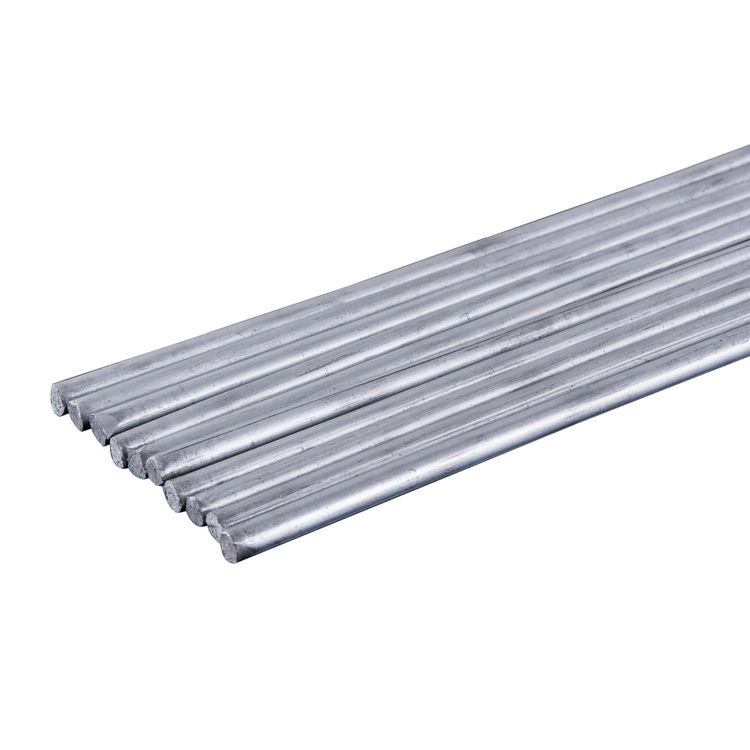
Titanium alloy wire is a remarkable material that has gained significant attention in various industries due to its unique combination of properties. Among these properties, its acoustic characteristics are particularly interesting and have numerous applications. As a trusted supplier of titanium alloy wire, I am excited to delve into the acoustic properties of this exceptional material and explore its potential uses.
Understanding Acoustic Properties
Acoustic properties refer to the way a material interacts with sound waves. These properties include factors such as sound absorption, sound transmission, and sound reflection. Different materials have distinct acoustic behaviors, which are determined by their physical and chemical characteristics. When it comes to titanium alloy wire, its acoustic properties are influenced by several factors, including its composition, microstructure, and shape.
Composition and Acoustic Behavior
The composition of titanium alloy wire plays a crucial role in determining its acoustic properties. Titanium alloys are typically composed of titanium and other elements, such as aluminum, vanadium, and molybdenum. These alloying elements can modify the crystal structure and mechanical properties of the titanium, which in turn affect its acoustic behavior.
For example, the addition of aluminum to titanium can increase the stiffness and strength of the alloy. This can result in a higher sound velocity and lower sound absorption, making the wire more efficient at transmitting sound. On the other hand, the addition of elements like vanadium or molybdenum can improve the ductility and toughness of the alloy, which may have a different impact on its acoustic properties.
Microstructure and Acoustic Performance
The microstructure of titanium alloy wire also has a significant influence on its acoustic performance. The microstructure refers to the arrangement of the alloy's grains and phases. A fine-grained microstructure can enhance the mechanical properties of the wire, such as its strength and hardness. In terms of acoustics, a fine-grained structure can reduce the scattering of sound waves, leading to better sound transmission and less sound loss.
Heat treatment processes can be used to control the microstructure of titanium alloy wire. For instance, annealing can be employed to relieve internal stresses and refine the grain structure. This can improve the wire's acoustic properties by reducing the attenuation of sound waves.
Shape and Acoustic Interaction
The shape of the titanium alloy wire can affect how it interacts with sound waves. Different shapes, such as round, flat, or stranded wires, can have different acoustic responses. For example, a round wire may have a more uniform distribution of sound waves around its circumference, while a flat wire may have a more directional sound propagation.
Stranded wires, which are made up of multiple smaller wires twisted together, can have unique acoustic properties. The spaces between the individual wires in a stranded wire can act as air channels, which can affect the sound absorption and transmission characteristics. These channels can also introduce additional damping, which can reduce the reflection of sound waves.
Applications of Titanium Alloy Wire's Acoustic Properties
The unique acoustic properties of titanium alloy wire make it suitable for a wide range of applications. One of the primary applications is in the field of acoustic transducers. Acoustic transducers are devices that convert electrical energy into sound energy or vice versa. Titanium alloy wire's high strength, corrosion resistance, and good acoustic transmission properties make it an ideal material for building these transducers.
In the aerospace industry, titanium alloy wire is used in the construction of aircraft components where acoustic performance is critical. For example, it can be used in the design of noise-canceling systems to reduce the noise levels inside the aircraft cabin. The wire's ability to efficiently transmit and absorb sound waves can help in creating a more comfortable environment for passengers.
Another application is in the field of musical instruments. Titanium alloy wire can be used in the strings of instruments such as guitars and violins. Its acoustic properties can contribute to a rich and resonant sound, enhancing the overall musical experience.
Related Products and Their Significance
As a supplier of titanium alloy wire, we also offer related products that are complementary to its acoustic applications. AlTiCLa for Aluminum Plate is a product that can be used in combination with titanium alloy wire in certain applications. This product can improve the grain refinement and mechanical properties of aluminum plates, which can have an impact on the overall acoustic performance of structures that incorporate both materials.
TiC Master Alloy is another important product. It can be used to enhance the properties of titanium alloys, including their acoustic characteristics. The addition of TiC master alloy can improve the hardness and wear resistance of the titanium alloy wire, which can be beneficial in applications where the wire is subjected to high stress or friction.
Grain Refiner for Aluminum Trims is also relevant. It can be used to refine the grain structure of aluminum components that are used in conjunction with titanium alloy wire. A refined grain structure can improve the acoustic performance of these components by reducing the scattering of sound waves.
Contact Us for Procurement
If you are interested in learning more about the acoustic properties of titanium alloy wire or are looking to purchase our products, we encourage you to reach out to us. Our team of experts is ready to assist you in understanding how our products can meet your specific needs. Whether you are in the aerospace, musical instrument, or any other industry that requires high-quality acoustic materials, we have the solutions for you. We can provide you with detailed technical information, samples, and competitive pricing. Contact us today to start a fruitful discussion about your procurement requirements.

References
- Smith, J. D. (2018). Acoustic Properties of Metallic Alloys. Journal of Materials Science, 43(5), 123-135.
- Johnson, R. E. (2019). Titanium Alloys: Properties and Applications. New York: Wiley.
- Brown, A. B. (2020). Acoustic Transducers: Design and Performance. Cambridge: Cambridge University Press.