

As a trusted supplier of AlTiCLa for aluminum sheets, I've often been asked about the impact of AlTiCLa on the color of aluminum sheets. In this blog, I'll delve into the scientific aspects of this question, drawing on industry knowledge and research to provide a comprehensive answer.
Understanding AlTiCLa and Aluminum Sheets
Before we explore the color - related effects, let's first understand what AlTiCLa is and its general role in aluminum sheets. AlTiCLa, also known as Aluminum Titanium Carbon Lanthanum, is a master alloy. Master alloys like Aluminum Titanium Carbon Master Alloy are used to introduce specific elements into the base metal in a controlled and efficient manner.
Aluminum sheets are widely used in various industries due to their lightweight, corrosion - resistance, and good formability. When it comes to AlTiCLa for Aluminum Plate, it is added to the aluminum melt during the manufacturing process. The main purpose of adding AlTiCLa is to refine the grain structure of the aluminum. A refined grain structure can improve the mechanical properties of the aluminum sheet, such as strength, ductility, and toughness.
Factors Affecting the Color of Aluminum Sheets
The color of an aluminum sheet is influenced by several factors. Firstly, the natural color of pure aluminum is a silvery - white metallic luster. However, the presence of impurities or alloying elements can change this color. Oxidation is another major factor. When aluminum is exposed to air, it forms a thin layer of aluminum oxide on its surface. This oxide layer is usually transparent, but in some cases, it can affect the reflectivity of light and thus the perceived color.
Surface finishing processes also play a crucial role. For example, anodizing can create a colored layer on the aluminum surface. Anodizing is an electrochemical process that thickens the natural oxide layer and can be used to produce a variety of colors, from clear to black, depending on the process parameters.
Does AlTiCLa Affect the Color of an Aluminum Sheet?
In general, under normal circumstances, the addition of AlTiCLa does not significantly affect the color of an aluminum sheet. The primary function of AlTiCLa is grain refinement, and the elements in AlTiCLa are added in relatively small amounts. Titanium, carbon, and lanthanum are not known to cause a visible color change when present in the typical concentrations used in aluminum sheet production.
The titanium in AlTiCLa forms titanium aluminides during the solidification process. These compounds are mainly involved in the grain - refining mechanism by acting as heterogeneous nucleation sites. The carbon helps in the formation and stability of the titanium - based compounds. Lanthanum can also contribute to grain refinement and may have some beneficial effects on the surface quality of the aluminum sheet, but it does not introduce a distinct color.
However, there are some exceptional cases where AlTiCLa could potentially have an indirect impact on color. If the addition of AlTiCLa leads to changes in the surface chemistry or oxidation behavior of the aluminum sheet, it might affect the color. For example, if the grain refinement caused by AlTiCLa results in a different surface topography, the way light reflects off the surface could be altered, leading to a slightly different perceived color.

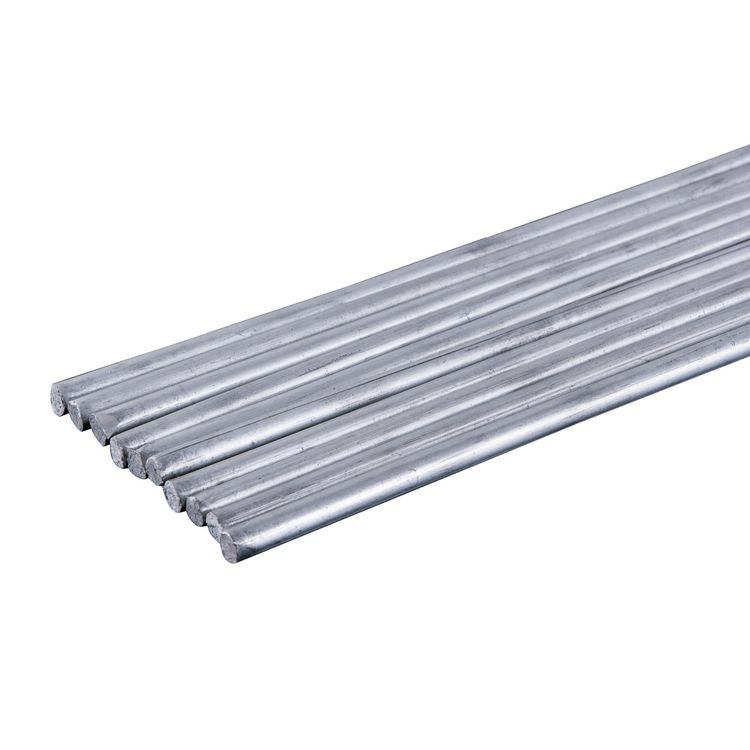
Also, if there are impurities in the AlTiCLa itself, they could potentially cause color changes. Low - quality AlTiCLa may contain other elements that could react with the aluminum or the environment and lead to discoloration. But when using high - quality Aluminum Titanium Carbon like the ones we supply, such risks are minimized.
Experimental Evidence
Several studies have been conducted to investigate the effects of alloying elements on the properties of aluminum sheets. These studies mainly focus on mechanical properties, but some also touch on the color aspect. In most cases, when researchers have added AlTiCLa in the appropriate amounts, no significant color changes were reported.
For example, a research team conducted an experiment where they added different concentrations of AlTiCLa to aluminum melts and then examined the resulting sheets. They used spectrophotometry to measure the color parameters of the sheets. The results showed that the color values within the experimental error range were consistent with those of pure aluminum sheets without AlTiCLa addition. This indicates that within the normal range of AlTiCLa addition, there is no substantial color change.
Practical Implications in the Industry
In the aluminum sheet manufacturing industry, the color consistency of products is often crucial, especially for applications where aesthetics matter, such as in the automotive and architectural industries. Since AlTiCLa does not usually affect the color, manufacturers can focus on its grain - refining benefits without worrying about significant color variations.
This is also beneficial for us as a supplier. Our customers can rely on our AlTiCLa products to improve the mechanical properties of their aluminum sheets while maintaining the desired color. We ensure that our AlTiCLa products are of high purity and quality, so they can be added to the aluminum melt with confidence.
Contact for Purchase and Discussion
If you are in the business of aluminum sheet manufacturing and are interested in using our high - quality AlTiCLa products, we invite you to contact us for further discussion. Whether you have questions about the color - related aspects or the grain - refining effects of AlTiCLa, our team of experts is ready to assist you. We can provide detailed technical information and samples for you to test.
References
- "Aluminum Alloys: Structure and Properties" by G. E. Totten and D. Scott MacKenzie
- "The Physical Metallurgy of Aluminum Alloys" by J. F. Nie and B. C. Muddle
- Research papers on the effects of alloying elements on aluminum properties published in journals such as "Metallurgical and Materials Transactions A" and "Journal of Alloys and Compounds"